Boundary Surveys: The Ultimate Guide with 5 Key Steps
- Introduction
- What “Boundary Surveys” Means and Why It Matters
- Key Factors, Options, or Steps
- Costs, Timing, or Practical Considerations
- Common Mistakes and How to Avoid Them
- How to Choose the Right Approach
- Expert Tips and Best Practices
- Additional considerations for boundary surveys
- More questions about boundary surveys
- What should I expect when working with boundary surveys?
- How can I verify information I find about boundary surveys?
- What questions should I ask before committing to boundary surveys?
- Does location or timing affect boundary surveys?
- What should I do after my initial research on boundary surveys?
- Weighing cost against value for boundary surveys
- Planning a realistic timeline for boundary surveys
- Staying organized while researching boundary surveys
- Key takeaways on boundary surveys
- FAQ
- Conclusion
- Sources
- Related Reads
Last updated: August 2026. Compiled and reviewed by our editorial team using publicly available official sources.
Introduction
Boundary surveys are essential tools in the world of property and land management.
Whether you are a homeowner looking to erect a fence or a developer planning a new construction project, understanding the intricacies of boundary surveys can save time, money, and legal headaches.
In this guide, we will explore what boundary surveys entail, why they are crucial, and how to effectively navigate the process.
Expect to learn about the costs, common pitfalls, and best practices involved in boundary surveys.
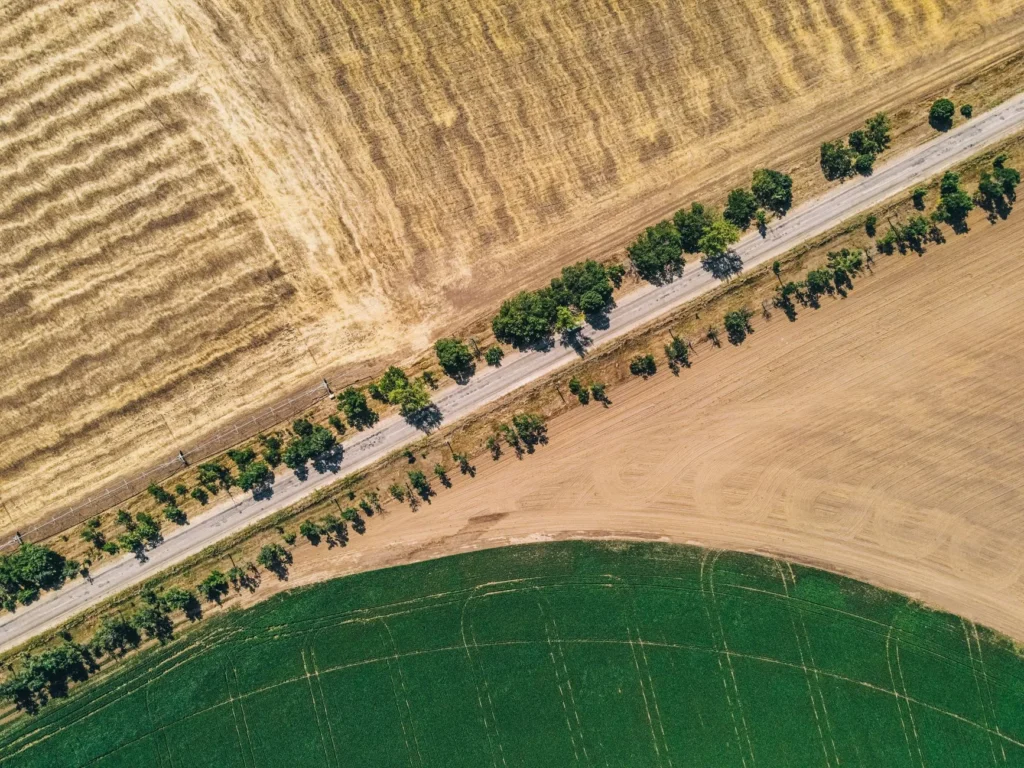
What “Boundary Surveys” Means and Why It Matters
A boundary survey is a precise process used to determine the legal boundaries of a parcel of land.
This type of survey involves establishing or re-establishing corners, lines, and monuments on the land. The importance of boundary surveys cannot be overstated.
They are critical for resolving disputes between neighbors, facilitating property sales, and ensuring that any construction stays within legal limits.
Without a boundary survey, property owners may unknowingly infringe on neighboring lands, leading to costly legal battles.
Boundary surveys are also vital when it comes to property development.
Developers need to know the exact dimensions and legal limits of the land they are working with to comply with zoning laws and building codes.
This makes boundary surveys an indispensable part of any land development project.
Key Factors, Options, or Steps
Conducting a boundary survey involves several key steps. First, hiring a licensed surveyor is essential.
The surveyor will research the property's legal description and historical records to determine its boundaries. Next, the surveyor will physically measure the land, placing markers at each corner.
Advanced tools such as GPS and theodolites are often used to ensure accuracy.
There are different types of boundary surveys, including standard boundary surveys and land boundary surveys, each tailored to specific needs.
For example, a standard boundary survey is often sufficient for residential properties, while more complex projects might require detailed land boundary surveys.
Understanding these options helps in selecting the right type of survey for your needs.
Costs, Timing, or Practical Considerations
The cost of boundary surveys can vary based on several factors, including the size of the land, location, and complexity of the survey. On average, a boundary survey may range from $500 to $1,500.
However, in places like Perth or urban areas, the cost might be higher due to increased demand and complexity.
Timing is another crucial consideration. A boundary survey can take anywhere from a few days to several weeks, depending on the surveyor's schedule and the size of the property.
Therefore, it is advisable to plan ahead, especially if the survey is needed for a time-sensitive project.
Common Mistakes and How to Avoid Them
One common mistake is assuming that boundary surveys are public records. While some survey results may be filed with local authorities, not all are publicly accessible.
This can lead to misunderstandings about property lines. Another mistake is choosing the cheapest survey option without considering the surveyor's qualifications.
An inexperienced surveyor may miss crucial details, leading to disputes later on.
To avoid these pitfalls, always verify the credentials of the surveyor and request a detailed written report. Additionally, communicate clearly with neighbors about survey plans to prevent disputes.
How to Choose the Right Approach
Choosing the right approach for a boundary survey involves understanding your specific needs and the property's characteristics.
For instance, if you are in a densely populated area, a detailed land boundary survey might be necessary to address potential disputes.
Conversely, for a straightforward residential property, a standard boundary survey might suffice.
Consider factors like the surveyor’s experience, the technology they use, and their familiarity with local regulations. These factors can significantly impact the survey’s accuracy and reliability.
Expert Tips and Best Practices
Experts recommend several best practices for boundary surveys. First, always engage a licensed and experienced surveyor. Check reviews and ask for recommendations to ensure quality service.
Secondly, keep a copy of the survey report in your records. This document is invaluable for future property transactions or disputes.
Another tip is to regularly update your boundary survey, especially if significant changes occur on or around your property. This proactive approach can prevent boundary disputes and ensure compliance with local regulations.
Readers researching this topic also commonly look into boundary surveys near me, boundary surveys perth, and property boundary surveys — each worth a quick look alongside your main decision.
Additional considerations for boundary surveys
When researching boundary surveys, readers often compare multiple options before making a decision.
Factors such as experience, location, communication style, and total cost can all influence outcomes.
A structured approach — listing priorities, gathering documentation early, and comparing at least two qualified options — tends to produce clearer results than choosing based on a single advertisement.
Related topics worth understanding alongside boundary surveys include boundary surveys near me, boundary surveys cost, boundary surveys perth, boundary line surveys.
Each of these areas connects to the same underlying goal: making an informed choice with realistic expectations about timelines, fees, and possible outcomes.
Taking time to read independent reviews and official guidance before committing usually saves money and reduces stress later.
Practical next steps for anyone exploring boundary surveys start with a short written list of questions.
Bring that list to an initial consultation, ask about fees upfront, and confirm what is included.
Document answers in writing when possible so you can compare providers objectively rather than relying on memory alone.
More questions about boundary surveys
What should I expect when working with boundary surveys?
Expect to compare credentials, communication style, and total cost before committing.
Write down your priorities, request written estimates, and allow time for follow-up questions — small preparation steps often prevent expensive surprises later.
How can I verify information I find about boundary surveys?
Cross-check claims against independent reviews and official guidance, verify licensing or accreditation where applicable, and treat unusually low prices as a signal to read the fine print carefully.
What questions should I ask before committing to boundary surveys?
Ask what is included, what could increase the price, and how disputes or delays are handled. A provider who answers clearly and in writing is usually a stronger long-term choice than one who avoids specifics.
Does location or timing affect boundary surveys?
Availability, pricing, and typical outcomes can vary by region and by how quickly you need the matter resolved. Building in extra time and comparing at least two local options generally leads to a more informed decision.
What should I do after my initial research on boundary surveys?
Schedule follow-up conversations, confirm terms in writing, and set a realistic date to revisit the decision if circumstances change. A deliberate process tends to produce better long-term outcomes.
Weighing cost against value for boundary surveys
The cheapest option for boundary surveys is not always the best value once you account for experience, communication, and reliability.
Ask each provider to justify their pricing so you can compare like for like rather than headline numbers alone.
Planning a realistic timeline for boundary surveys
Complex matters rarely resolve overnight, so build realistic milestones and keep copies of agreements, receipts, and correspondence related to boundary surveys.
Periodic review helps you stay aligned with your original goals as circumstances change.
Staying organized while researching boundary surveys
Keep a simple folder — physical or digital — with every document, quote, and message related to boundary surveys. Good records make it easier to compare providers fairly and to resolve any misunderstandings quickly if they come up later.
Key takeaways on boundary surveys
- Define your goal and budget before comparing options related to boundary surveys.
- Verify credentials, reviews, and fee structures in writing.
- Allow realistic time for research, consultations, and follow-up.
- Keep records of agreements, payments, and important deadlines.
- Set a review date to reassess your decision if circumstances change.
In summary, boundary surveys deserves careful research rather than a rushed choice.
Use the sections above as a checklist, revisit related topics such as boundary surveys near me, boundary surveys cost, boundary surveys perth, boundary line surveys when relevant, and prioritize providers who communicate clearly and set honest expectations from the start.
FAQ
Are boundary surveys public record? No, boundary surveys are not automatically public records. While some may be filed with local authorities, access is not guaranteed.
How much do boundary surveys cost? Boundary surveys typically cost between $500 and $1,500, depending on various factors like location and property size.
What is the difference between boundary line surveys and land boundary surveys?
Boundary line surveys focus on determining the exact line between properties, while land boundary surveys may involve more comprehensive assessments of the property's dimensions and features.
Conclusion
Boundary surveys are a critical component of property ownership and development.
By understanding what they entail, the associated costs, and how to choose the right surveyor, property owners can protect their investments and avoid legal disputes.
With the right knowledge and preparation, boundary surveys can be a straightforward and beneficial process.
Sources
For more detailed information, visit the National Society of Professional Surveyors for authoritative resources on boundary surveys.
Related Reads
- Surveys with Google: Ultimate Guide with 5 Key Steps
- Surveys: The Amazing Guide with 5 Key Insights
- Octopus Surveys: The Ultimate Guide with 5 Key Facts
Last updated: August 2026. This article is for general informational purposes only and is not legal, financial, or medical advice. Consult a qualified professional for guidance specific to your situation.
External reference